
What Makes AI playground Singapore a Global Curiosity?
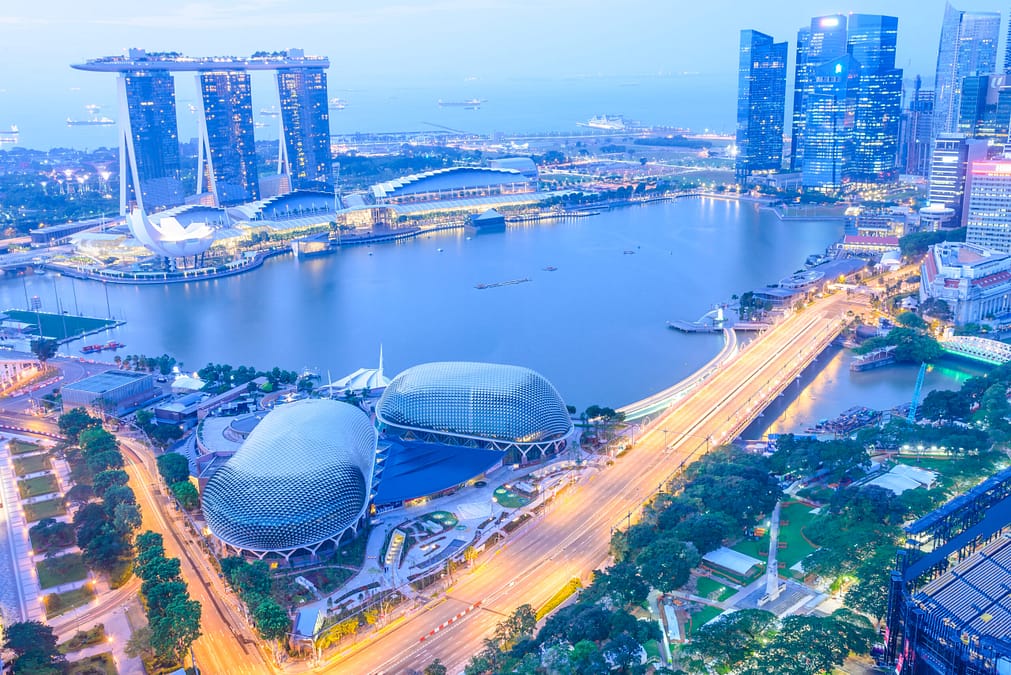
Singapore has quietly established itself as a unique hub for technological innovation, earning the nickname AI playground Singapore. Unlike many countries chasing short-term tech trends, Singapore has built a long-lasting ecosystem where artificial intelligence can thrive in real-world conditions. The city-state’s combination of strategic geography, multicultural society, bilingual workforce, and efficient government has created an environment that naturally attracts innovators, startups, and global companies alike.
When we think about why Singapore has become the go-to location for AI experimentation, one key factor is its compact geography. With a relatively small land area and high urban density, Singapore allows rapid deployment and testing of new AI technologies. Smart traffic systems, autonomous vehicle trials, and predictive public services are easier to implement here than in sprawling metropolises. This physical advantage makes AI playground Singapore not only practical but also highly scalable for multiple sectors.
Another defining feature of Singapore’s success is its multicultural AI environment. The city-state hosts a vibrant mix of cultures, languages, and social behaviors, creating rich and diverse datasets for training AI models. Unlike homogeneous regions, Singapore provides developers and researchers with data that reflect complex, real-world interactions, making AI systems more accurate and adaptable. International firms recognize this advantage and prefer to test new AI solutions in Singapore’s diverse environment, ensuring their models perform well across varied populations.
The bilingual AI advantage further strengthens Singapore’s position as a leading AI hub. With English and Mandarin widely spoken, AI developers can design, test, and optimize systems capable of handling multiple languages seamlessly. This dual-language ecosystem is especially valuable for natural language processing, translation tools, and AI-driven communication platforms. Companies that experiment in AI playground Singapore gain insights into multilingual AI capabilities that are difficult to replicate elsewhere.
Singapore’s Singapore AI ecosystem is also a result of deliberate government strategy. Through clear regulations, supportive policies, and efficient public-private collaboration, the government has created a stable environment where innovation can flourish without unnecessary bureaucratic hurdles. This predictability attracts global tech firms and startups looking for a reliable location to pilot new AI technologies, from healthcare diagnostics to urban mobility solutions.
Moreover, Singapore’s urban density serves as a living laboratory for AI applications. From monitoring traffic flows to optimizing energy consumption, the city provides continuous real-world feedback for testing and refining AI systems. Residents themselves benefit from these innovations, experiencing smoother commutes, smarter services, and more efficient city management. This symbiotic relationship between urban infrastructure and AI development is a hallmark of AI playground Singapore.
In summary, Singapore’s success as an AI playground Singapore is no accident. It is the result of strategic geography, a multicultural and bilingual population, an efficient government, and a thriving AI ecosystem. These factors combine to create a sustainable, evergreen environment where AI can grow and evolve. For innovators, researchers, and companies, Singapore is not just a city to experiment in—it is a model for how intelligent systems can integrate seamlessly into everyday life.
Why Size and Structure Make AI playground Singapore Unique
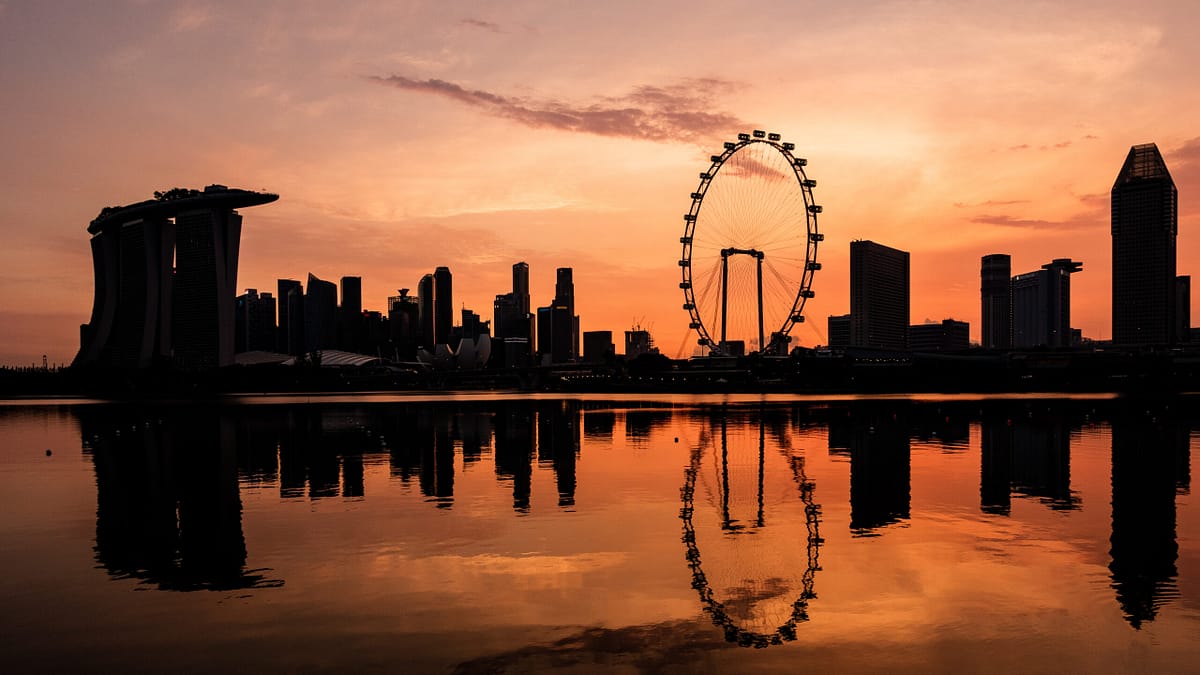
One of the most compelling reasons Singapore has become an AI playground Singapore is its unique geography. The city-state is remarkably compact, covering just over 700 square kilometers, which allows developers, startups, and government agencies to deploy and monitor AI initiatives in real time. Unlike larger countries, where logistical challenges and dispersed populations can slow innovation, Singapore’s size enables faster iterations and more controlled testing environments. This advantage has made Singapore a magnet for companies seeking to pilot advanced technologies efficiently.
The high urban density of Singapore further enhances its status as an AI playground Singapore. Dense neighborhoods and a tightly connected infrastructure allow AI systems to be tested under real-world conditions. For instance, autonomous vehicle companies can run trials on public roads with a high volume of vehicles and pedestrians, collecting rich data that would be difficult to obtain in less dense cities. Similarly, urban planning AI algorithms benefit from the city’s concentrated layout, allowing for predictive modeling of traffic flow, energy consumption, and public resource allocation with unparalleled accuracy.
Singapore’s geography also offers a natural laboratory for environmental AI projects. The city’s limited land area and high population density require optimized solutions for resource management, waste disposal, and water supply. Startups and research teams leverage these constraints to develop AI systems that are not only innovative but also highly efficient. By using the city itself as a testing ground, Singapore demonstrates how geographic limitations can drive technological ingenuity, reinforcing its position as a leading AI playground Singapore.
Another significant aspect is Singapore’s strategic location within Asia. Situated at the crossroads of major shipping and trade routes, the city is not only a hub for commerce but also a natural convergence point for ideas and talent. This geographic advantage has helped cultivate a rich Singapore AI ecosystem, attracting international companies and researchers who seek to experiment in a dynamic, multicultural environment. The accessibility and connectivity of Singapore make it easier for collaborations, partnerships, and knowledge transfer across borders, enhancing the overall quality and impact of AI initiatives.
Furthermore, Singapore’s dense infrastructure supports the rapid deployment of sensors, IoT devices, and connected systems, which are critical for AI testing. Smart city projects, such as intelligent traffic management and predictive maintenance for public utilities, rely heavily on real-time data collection, something that would be challenging in cities with sprawling urban landscapes. By leveraging its compact geography, Singapore ensures that AI solutions can be deployed, monitored, and refined continuously, creating a feedback loop that accelerates technological advancement.
In addition to physical geography, the city’s structured zoning and organized urban planning contribute to its appeal as an AI playground Singapore. Clearly defined residential, commercial, and industrial areas allow AI models to be tested under controlled yet realistic conditions. For example, logistics AI can optimize delivery routes in commercial zones while simultaneously considering traffic patterns in residential areas. This level of urban organization, combined with high population density, provides a rare opportunity for companies to test AI systems across diverse scenarios without leaving the city.
Finally, Singapore’s geography complements other factors such as its multicultural AI environment and bilingual AI advantage. The compactness of the city allows these social and linguistic variables to be captured efficiently within AI models, ensuring that solutions are tested across multiple cultural and language contexts simultaneously. This holistic integration of physical and social geography strengthens Singapore’s long-term positioning as an AI playground Singapore, where innovation is not just possible, but highly effective and sustainable.
Overall, Singapore’s compact size, high urban density, strategic location, and structured urban planning collectively make it a world-class environment for AI experimentation. These geographic advantages, combined with its vibrant multicultural society and bilingual workforce, ensure that Singapore remains an evergreen AI playground Singapore capable of supporting innovation for years to come.
A Multicultural Environment That Trains Better AI Models

One of the defining features that makes Singapore an exceptional AI playground Singapore is its rich multicultural environment. The city-state is a melting pot of ethnicities, languages, and cultural practices, creating a social landscape that is both diverse and highly interconnected. This diversity provides a unique advantage for AI development, as algorithms trained in such an environment are exposed to a wide range of behaviors, communication styles, and contextual nuances that are difficult to replicate elsewhere.
The multicultural fabric of Singapore directly benefits the Singapore AI ecosystem. When AI systems are tested here, they interact with data drawn from a variety of social and linguistic contexts, improving the robustness and adaptability of models. For instance, natural language processing systems can be trained on multiple dialects, cultural expressions, and idiomatic phrases, making them more accurate and versatile. Companies conducting trials in Singapore gain insights that allow their AI to perform well across different populations and regions.
Beyond language, cultural diversity also impacts how AI understands human behavior. Algorithms designed to predict consumer preferences, transportation patterns, or healthcare needs must account for variations in habits, routines, and social norms. In Singapore, developers can observe these differences in real-world settings, giving their AI models a competitive edge. The city’s multicultural environment ensures that AI is not developed in isolation but is sensitive to real-world complexities, reinforcing Singapore’s position as a leading AI playground Singapore.
International firms recognize that this diversity is more than just a demographic fact; it is a strategic asset. By testing AI in Singapore, companies can evaluate how well their solutions adapt to culturally heterogeneous populations. This capability is particularly valuable for global applications, where models must perform across multiple countries and contexts. The multicultural environment also encourages collaborative research and innovation, as developers from different backgrounds bring unique perspectives to problem-solving within the Singapore AI ecosystem.
Furthermore, Singapore’s multicultural environment is closely tied to its urban density. The close proximity of different communities facilitates the collection of diverse datasets that are realistic and representative of daily life. Smart city projects, such as AI-powered mobility systems, urban planning tools, and predictive public services, can leverage this diversity to refine algorithms and improve outcomes. By incorporating a wide range of cultural behaviors, AI systems developed in Singapore are inherently more adaptable and resilient.
The multicultural environment also enhances human-AI interaction. Residents are accustomed to engaging with technology in a variety of ways, from using bilingual apps to navigating digital services tailored for different cultural needs. This familiarity allows AI developers to test user interfaces, recommendation engines, and communication tools in a real-world, socially diverse setting. The result is an AI playground Singapore where human behavior and machine intelligence co-evolve, producing smarter, more inclusive solutions.
Singapore’s multicultural setting also supports educational and research initiatives. Universities, innovation labs, and corporate R&D centers benefit from a talent pool that reflects this diversity, producing AI professionals skilled in handling complex, heterogeneous datasets. The combination of diverse human capital and multicultural data ensures that Singapore remains a fertile ground for AI experimentation, innovation, and long-term growth.
In conclusion, Singapore’s multicultural environment is a key ingredient in its status as an AI playground Singapore. By providing diverse linguistic and cultural contexts, the city enables the development of AI models that are accurate, adaptable, and globally relevant. Coupled with its compact geography, bilingual workforce, and efficient governance, the multicultural factor ensures that Singapore continues to be a long-term, evergreen hub for AI innovation and experimentation.
The Bilingual Advantage Behind AI playground Singapore
Another factor that sets Singapore apart as an AI playground Singapore is its bilingual advantage. With English and Mandarin widely spoken across the population, Singapore provides a rare environment where AI systems can be trained and tested to handle multiple languages effectively. This linguistic diversity is invaluable for natural language processing, translation models, and AI-driven communication tools that need to operate seamlessly across different regions and cultural contexts.
The bilingual AI advantage goes beyond simple language support. It enables AI systems to understand and interpret cultural subtleties embedded in communication. For example, the same phrase may carry different meanings depending on context or dialect. By deploying AI in Singapore, developers can train models on authentic, real-world interactions that reflect these nuances. This results in smarter, more context-aware AI solutions capable of functioning accurately in other multilingual environments worldwide.
This bilingual environment also strengthens the Singapore AI ecosystem. Startups, multinational corporations, and research institutions leverage the availability of bilingual datasets to optimize AI models for translation, content generation, and customer service. AI systems trained in Singapore can better handle mixed-language inputs, recognize intent accurately, and provide culturally appropriate responses. This real-world exposure to bilingual scenarios gives Singaporean AI a competitive edge globally.
Moreover, Singapore’s bilingual advantage benefits AI education and workforce development. Students, developers, and researchers are often fluent in both languages, allowing them to create AI models that understand subtle linguistic differences and code-switching patterns. This talent pool is one of the reasons international companies consider Singapore an ideal location for piloting AI projects, further reinforcing the city-state’s reputation as an AI playground Singapore.
The bilingual advantage also interacts closely with Singapore’s multicultural environment. While the city is diverse, the common use of English and Mandarin as bridge languages ensures that AI systems can learn from interactions across communities without losing contextual richness. For example, AI applications in customer support, healthcare, and urban management can function effectively across neighborhoods with varied cultural and linguistic backgrounds. This dual-layered approach—multicultural plus bilingual—makes Singapore a living laboratory for AI development.
In addition, bilingualism facilitates cross-border AI innovation. Companies testing solutions in Singapore can adapt their systems for other multilingual regions in Asia, including Malaysia, China, and Indonesia. Lessons learned in Singapore help AI models scale efficiently, providing insights into language processing, sentiment analysis, and automated translation. This international applicability further enhances Singapore’s status as a long-term, evergreen AI playground Singapore.
Singapore’s government also recognizes the importance of bilingual AI initiatives. Policies, funding programs, and collaborative research projects often emphasize linguistic inclusivity, ensuring that AI technologies benefit all residents while remaining globally relevant. By combining bilingual human capital with structured support and infrastructure, Singapore maintains an environment where AI innovation thrives sustainably.
In conclusion, the bilingual advantage is a cornerstone of Singapore’s success as an AI playground Singapore. By providing a dual-language ecosystem, the city enables AI systems to handle complex, real-world linguistic challenges, enhancing their accuracy, adaptability, and global relevance. When combined with geography, multiculturalism, and government efficiency, the bilingual factor ensures Singapore remains an enduring hub for AI experimentation and innovation.
Urban Density: The Perfect Real-World Test Lab for AI
Singapore’s urban density is another critical factor that has cemented its status as an AI playground Singapore. Unlike sprawling metropolises where testing AI solutions can be logistically challenging, Singapore’s compact and highly organized cityscape allows innovators to implement and monitor artificial intelligence projects in real-world conditions efficiently. This dense urban environment creates continuous streams of rich data, providing AI systems with the complexity and variability needed to learn, adapt, and improve.
High population density means that AI technologies, such as smart traffic management systems, predictive mobility algorithms, and urban planning solutions, can be tested under realistic conditions. Autonomous vehicle companies, for instance, can assess navigation, obstacle detection, and pedestrian interaction in scenarios that mirror the challenges of other global cities. This hands-on, practical approach transforms Singapore into a living laboratory where AI is not only deployed but continuously refined, making it a quintessential AI playground Singapore.
The dense urban layout also supports AI in the delivery and logistics sectors. With compact neighborhoods, interconnected commercial zones, and high-rise residential areas, AI-driven optimization of deliveries, route planning, and inventory management can be tested on a meaningful scale. Algorithms trained in such an environment become more robust, able to handle diverse real-world scenarios. In this way, Singapore’s urban density directly contributes to the sophistication and reliability of AI systems developed locally and tested in the city-state.
Urban density intersects seamlessly with Singapore’s multicultural AI environment. Different communities live in close proximity, providing AI systems with access to varied social behaviors and interaction patterns. Whether it’s analyzing pedestrian traffic, predicting consumer habits, or optimizing public transport usage, AI models can learn from complex, diverse datasets that reflect real-life variability. This combination of density and cultural richness strengthens Singapore’s unique position as an AI testing ground.
The city’s built environment also facilitates experimentation with smart infrastructure. Sensors embedded in roads, buildings, and public spaces generate vast quantities of data that feed into AI models. From environmental monitoring to energy management, the ability to collect high-resolution data continuously allows developers to fine-tune AI solutions in ways that are often impossible in less dense or fragmented urban areas. This infrastructure makes Singapore a reliable and scalable AI playground Singapore.
Moreover, urban density provides opportunities for AI applications in public services. Predictive models for healthcare, waste management, and emergency response can be trained and tested using real-time data from concentrated populations. By observing patterns of behavior and resource usage in densely populated districts, AI systems can deliver more accurate forecasts and optimize services, improving the quality of life for residents. This practical, hands-on testing ensures that AI solutions are both effective and adaptable.
The high density of Singapore also encourages close collaboration between researchers, developers, and policymakers. With institutions, innovation labs, and tech companies situated within accessible distances, knowledge sharing and joint experimentation occur naturally. This concentrated ecosystem accelerates innovation, allowing AI projects to move from concept to deployment more efficiently. Such collaboration further reinforces Singapore’s long-term standing as an AI playground Singapore.
In conclusion, Singapore’s urban density is a defining element of its identity as an AI playground Singapore. The combination of compact city planning, high population density, and advanced infrastructure provides a realistic and controlled environment for AI experimentation. When coupled with multiculturalism, bilingualism, and effective governance, Singapore offers an evergreen, sustainable landscape where AI innovation can thrive, making it a model for other cities aspiring to integrate intelligence into urban life.
Government Efficiency: The Quiet Engine Behind AI playground Singapore
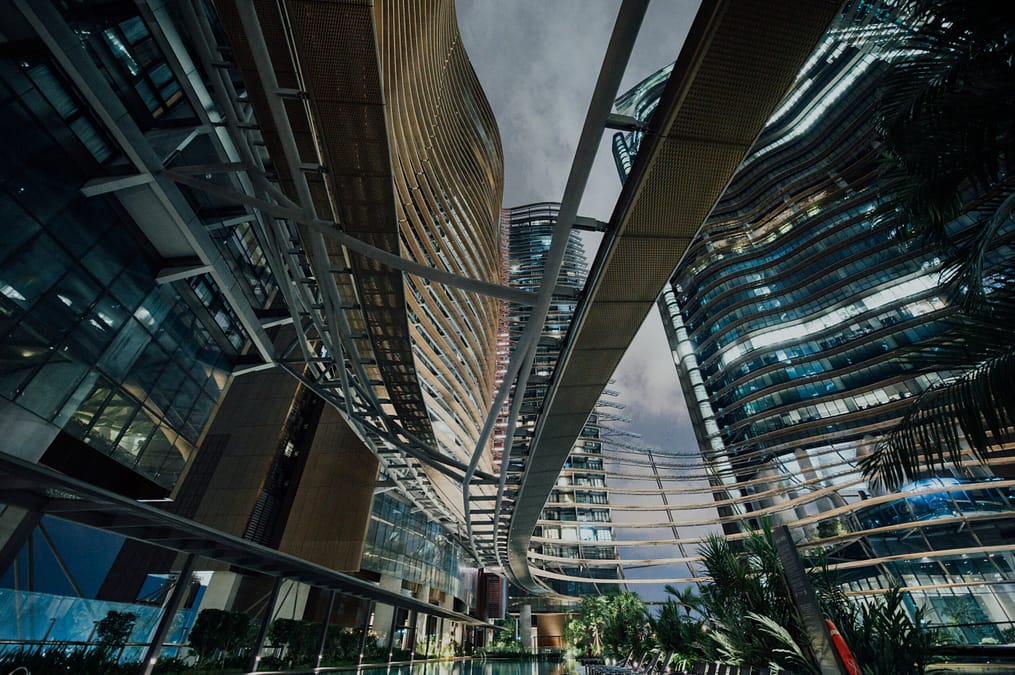
Another essential element that elevates Singapore as an AI playground Singapore is the city-state’s unparalleled government efficiency. Unlike many regions where bureaucracy can slow down innovation, Singapore has cultivated a predictable, transparent, and supportive regulatory environment. This efficiency provides both local and international companies with the confidence to experiment, pilot, and scale AI solutions without unnecessary administrative hurdles.
Government efficiency in Singapore extends beyond simple regulation. Public agencies actively collaborate with private firms, research institutions, and startups to create a robust Singapore AI ecosystem. These partnerships enable innovators to access critical infrastructure, share data responsibly, and leverage expertise from multiple sectors. The result is a synergistic environment where AI projects can be tested in real-world conditions while remaining compliant with ethical and legal standards.
One of the key advantages of this governance model is the clarity it provides for long-term planning. Companies entering Singapore’s AI landscape know exactly what standards and requirements they must meet. This predictability reduces risks and encourages sustained investment. By maintaining clear rules and efficient processes, the government ensures that Singapore remains a reliable and evergreen AI playground Singapore, attractive to innovators and investors alike.
Singapore’s government also emphasizes scalability and replicability. Initiatives designed for one sector can often be adapted for others, allowing AI solutions to be tested and refined across multiple domains. For example, data analytics platforms initially developed for urban planning can later be applied to transportation, healthcare, or environmental management. This approach maximizes the impact of public investments and accelerates innovation within the Singapore AI ecosystem.
Moreover, government efficiency enhances the city-state’s ability to integrate AI into everyday life. Projects such as intelligent traffic systems, predictive healthcare management, and smart energy grids benefit from streamlined approval processes and coordinated execution. The close alignment between policy, infrastructure, and private sector innovation creates a fertile environment for AI experimentation, reinforcing Singapore’s position as a leading AI playground Singapore.
The government also invests strategically in education and workforce development. By supporting AI-focused training programs and research initiatives, it ensures that local talent can meet the demands of a technologically advanced economy. This investment in human capital complements Singapore’s bilingual and multicultural advantages, giving companies access to skilled professionals capable of building sophisticated AI models and testing them in complex, real-world scenarios.
In addition, Singapore’s government encourages ethical AI practices. Policies and frameworks emphasize transparency, accountability, and fairness, guiding both public and private sector initiatives. Companies testing AI in Singapore can therefore innovate confidently, knowing that their solutions adhere to internationally respected standards. This governance-centric approach reinforces Singapore’s long-term credibility as an AI playground Singapore and ensures that innovations developed here are scalable and sustainable.
In summary, government efficiency is the quiet engine behind Singapore’s success as an AI playground Singapore. By combining transparent regulation, public-private collaboration, scalable initiatives, and ethical oversight, Singapore provides a stable and supportive environment for AI innovation. When paired with geography, multiculturalism, bilingualism, and urban density, this governance framework ensures that Singapore remains an evergreen hub where AI can grow, adapt, and thrive.
Why AI playground Singapore Attracts Innovators and Creators Worldwide
Singapore’s combination of geography, multiculturalism, bilingualism, urban density, and efficient governance has made it an irresistible destination for innovators and creators, solidifying its status as an AI playground Singapore. The city-state offers a unique environment where startups, multinational companies, and individual creators can experiment, iterate, and scale AI technologies in ways that are difficult to replicate elsewhere.
Startups, in particular, benefit from the structured yet flexible ecosystem. Singapore’s compact geography and dense urban environment allow for rapid prototyping and real-world testing, while the multicultural population provides diverse datasets for training AI systems. Entrepreneurs can observe user behavior across different cultural contexts, refine their products, and implement improvements quickly. This dynamic feedback loop is a core reason why Singapore is considered a premier AI playground Singapore.
For multinational corporations, Singapore offers a predictable, business-friendly environment. The Singapore AI ecosystem supports collaboration between public institutions, research labs, and private firms, enabling companies to test new technologies under transparent regulations. Predictable governance and streamlined processes reduce the risk of regulatory hurdles, making Singapore a low-friction environment for launching innovative AI solutions that can later scale across the Asia-Pacific region.
Individual creators and technologists are drawn to Singapore’s vibrant innovation culture. Access to cutting-edge infrastructure, such as high-speed connectivity, IoT-enabled smart buildings, and extensive sensor networks, allows developers to test AI models in authentic real-world conditions. Coupled with the city’s multicultural AI environment and bilingual workforce, innovators gain the ability to refine algorithms to account for diverse social behaviors and language usage. This unique combination of factors ensures that Singapore remains an evergreen AI playground Singapore.
The lifestyle aspect of Singapore also plays a significant role. Creators and innovators are not only drawn by technical advantages but also by the quality of life. Safe streets, modern amenities, and a cosmopolitan culture provide an environment where professionals can live, work, and experiment simultaneously. For many international talent and teams, this balance between innovation opportunities and lifestyle makes Singapore a compelling place to build and test AI solutions.
Additionally, Singapore fosters global collaboration. Its strategic location in Asia and strong international connections make it an ideal hub for cross-border projects. AI solutions tested in Singapore benefit from exposure to a broad set of conditions and can be adapted for other regions with relative ease. The bilingual AI advantage further amplifies this potential, as AI models trained in Singapore can navigate multiple languages and cultural contexts, increasing their applicability worldwide.
The city’s dense ecosystem also encourages community building and knowledge sharing. Innovation hubs, co-working spaces, and academic institutions provide platforms for networking, mentorship, and joint research. This environment nurtures creativity and accelerates the iteration process, making Singapore a thriving ecosystem for AI development and experimentation. It is this combination of technical infrastructure, social diversity, regulatory support, and lifestyle quality that makes Singapore an AI playground Singapore attractive to creators from across the globe.
In conclusion, Singapore’s allure for innovators and creators lies in its unique ability to integrate geography, culture, language, urban planning, and governance into a seamless environment for AI innovation. As an AI playground Singapore, it offers opportunities to experiment, iterate, and scale solutions effectively while benefiting from a high quality of life and global connectivity. This evergreen combination ensures that Singapore will continue to be a leading destination for AI experimentation for years to come.
The Quiet Magic Behind AI playground Singapore
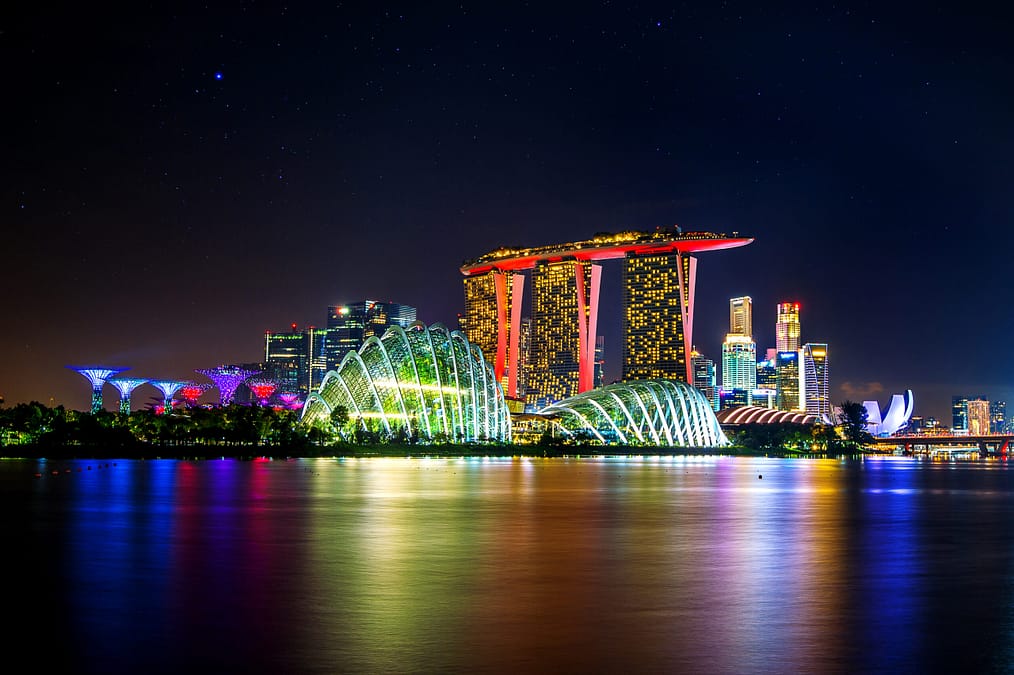
Singapore’s rise as an AI playground Singapore is the result of a remarkable convergence of factors that continue to make it a unique, evergreen hub for innovation. Geography, multiculturalism, bilingualism, urban density, and efficient governance all combine to create an environment where AI can be tested, refined, and scaled with unparalleled effectiveness. Unlike cities that chase fleeting tech trends, Singapore has built a system that ensures long-term sustainability and adaptability in the rapidly evolving world of artificial intelligence.
The city’s compact geography allows for rapid deployment and real-time testing of AI solutions, while its high urban density provides a continuous flow of diverse, real-world data. This density, combined with the multicultural AI environment, ensures that AI systems are exposed to a wide variety of behaviors, languages, and cultural contexts, which significantly improves their accuracy and relevance. Developers gain insights that are hard to replicate in more homogeneous or geographically dispersed locations.
Singapore’s bilingual AI advantage further strengthens its role as a global AI hub. The prevalence of English and Mandarin allows AI systems to handle multiple languages effectively, enhancing natural language processing, translation tools, and communication platforms. This linguistic diversity, together with a multicultural population, creates a living laboratory where AI can learn, adapt, and perform at a global standard.
Equally important is the city-state’s governance framework. Efficient, transparent, and predictable regulation encourages innovation by reducing friction and risk. The government’s proactive support for research, infrastructure, and public-private collaboration strengthens the Singapore AI ecosystem, ensuring that projects can scale without unnecessary bureaucratic hurdles. Ethical and regulatory clarity allows AI developers to innovate confidently, producing solutions that are not only effective but also socially responsible.
For innovators, startups, and global companies, Singapore offers more than just technical advantages—it provides a complete ecosystem where lifestyle, infrastructure, and professional opportunity intersect. Safe streets, modern amenities, and a cosmopolitan culture make the city attractive for talent from around the world. This lifestyle component, combined with dense real-world testing conditions and a supportive regulatory environment, reinforces Singapore’s status as an AI playground Singapore that is both productive and desirable.
The continuous collaboration between academia, industry, and government ensures that knowledge and resources are shared effectively. Startups, multinational corporations, and individual creators all benefit from the synergy created by this tightly knit ecosystem. As a result, innovations developed in Singapore are highly scalable and adaptable, giving the city-state a long-term advantage in AI development that few other places can match.
In essence, the quiet magic behind Singapore’s success as an AI playground Singapore lies in its holistic approach. By integrating geography, cultural diversity, bilingual capabilities, urban density, and government efficiency into a seamless ecosystem, Singapore has created a place where AI doesn’t just exist—it thrives. For anyone looking to understand how real-world AI innovation can succeed sustainably, Singapore provides an evergreen model, demonstrating that the best results come from carefully harmonized human, technological, and structural factors.
Singapore’s model offers lessons not only for AI developers but for cities and nations worldwide. It proves that a small, well-managed environment with the right mix of social, linguistic, and infrastructural resources can become a global leader in technology. As an AI playground Singapore, the city continues to set standards, attract talent, and inspire innovation, ensuring that its influence in AI development will remain strong for decades to come.
Expert Advice
The editorial team, together with urban tech analysts and AI policy experts, emphasizes that Singapore’s unique combination of geography, multiculturalism, bilingualism, urban density, and government efficiency creates an ideal environment for testing and scaling AI responsibly.
According to McKinsey & Company, 2024, cities with dense urban planning and diverse populations are increasingly becoming preferred testbeds for AI innovations, as they provide rich datasets and realistic deployment conditions.
Research also indicates that the most successful AI deployments combine robust data, ethical governance, and human-centric design principles. (World Economic Forum, 2024)
- Leverage urban density: use high-density environments to gather diverse and real-time data for AI systems testing and validation.
- Integrate multicultural insights: design AI solutions that account for linguistic, cultural, and behavioral diversity to ensure global applicability.
- Collaborate with government and institutions: engage with local agencies and research centers to align AI innovation with ethical standards and public benefits.
In conclusion, the editorial recommendation is clear: for AI innovators and companies, Singapore’s environment offers unparalleled opportunities to test, refine, and scale intelligent systems sustainably. Combining technical expertise with human and ethical considerations ensures AI solutions thrive while benefiting society.
Support my work
Thank you for reading this post! If you found it helpful, you can buy me a coffee ☕.
It’s a great motivation for me to keep creating content about making money online and AI.